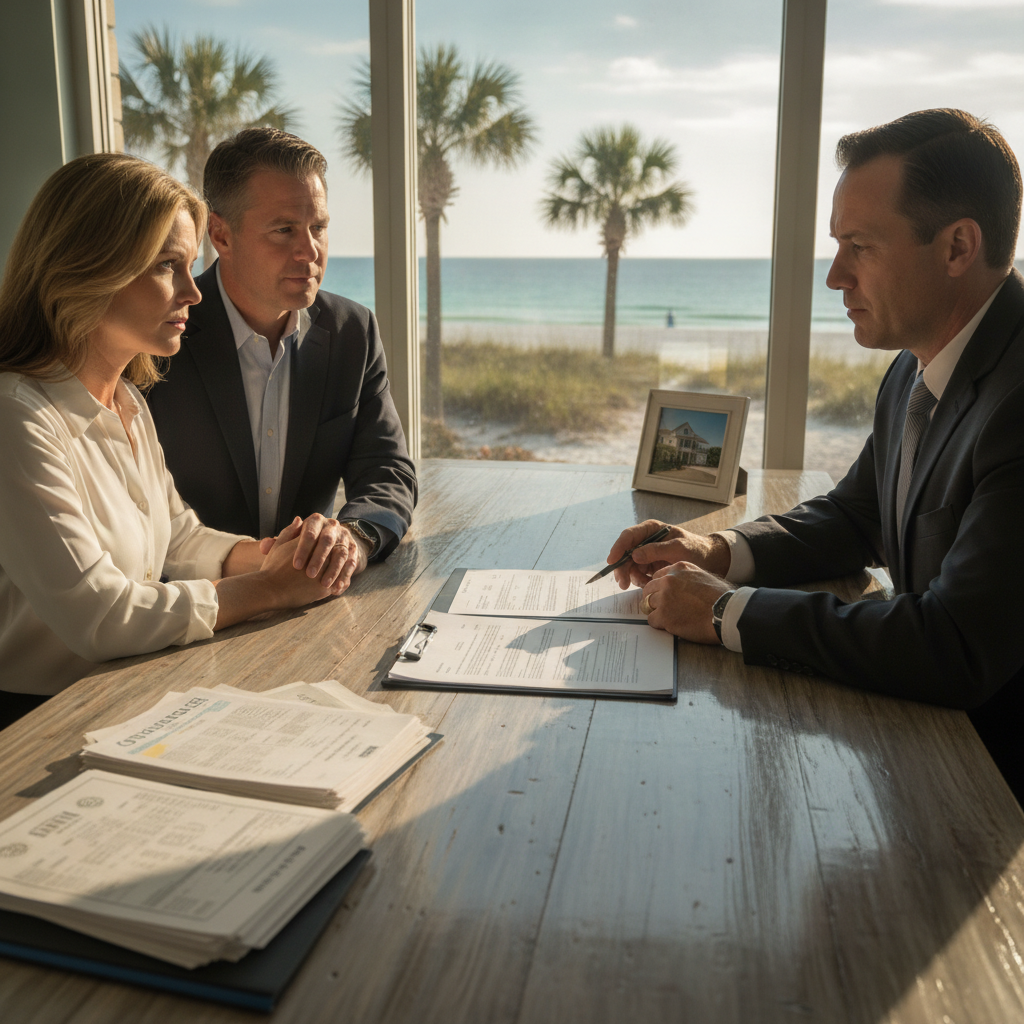
What Should Gulf Shores and Baldwin County Business Owners Know About Protecting Personal Assets When a Business Gets Sued?
If your Gulf Shores business is sued, your personal bank accounts, your home, your retirement savings, and other assets you’ve built over a lifetime could be exposed — unless you’ve taken deliberate steps to separate them from your business. Forming an LLC or corporation is a start, but it’s only one piece of a real asset protection plan. Business owners across Baldwin County, from Gulf Shores to Foley to Fairhope, are often surprised to learn how little protection they actually have until they sit down and walk through their situation with an attorney who focuses on this work.
Why Business Formation Alone Doesn’t Fully Protect You
Many small business owners along the Gulf Coast believe that forming an LLC automatically puts a wall between their personal life and their business. And it can — but only if that wall is built and maintained correctly. Alabama law does allow an LLC or corporation to shield its owners from personal liability for business debts and lawsuits. But courts can set that protection aside if the business hasn’t been run as a genuinely separate legal entity.
This is called piercing the corporate veil, and it happens more often than most business owners expect. Common triggers include mixing personal and business finances in the same bank account, failing to maintain proper records and meeting minutes, using business funds for personal expenses without documentation, and operating without a real operating agreement that reflects how the business actually runs. If a plaintiff’s attorney can show that your LLC was really just an extension of your personal finances, a judge can order that your personal assets satisfy a business judgment.
In a tourism-driven coastal economy like Gulf Shores and Orange Beach, the risk is real. Restaurants, charter boats, rental properties, retail shops, and service businesses all deal regularly with customers, employees, contractors, and vendors — and any of those relationships can produce a dispute that ends up in litigation.
What a Real Asset Protection Plan Actually Looks Like
Meaningful protection for Baldwin County business owners goes beyond filing formation documents with the Alabama Secretary of State. A solid plan typically involves several coordinated layers:
- The right entity structure — An LLC is often the right choice for smaller businesses, but how it’s structured, taxed, and managed matters. Some business owners benefit from holding business assets inside one entity while operating through another, so that a claim against the operating business can’t reach the assets held separately.
- A well-drafted operating agreement — This document governs how the LLC operates, how decisions are made, and how money flows in and out. A generic template downloaded from the internet won’t reflect your actual business — and in a dispute, that gap can become a serious problem.
- Clean financial separation — Separate business bank accounts, business credit cards, and clean bookkeeping records are essential to maintaining the liability protection your entity structure is supposed to provide.
- Personal asset planning — Beyond the business itself, assets you hold personally — your home, investment accounts, retirement funds — may have their own layer of protection through Alabama exemptions, trust structures, or title planning. Knowing what’s already protected and what isn’t is the starting point.
This kind of planning is exactly where a general-practice attorney or an online legal service tends to fall short. They can file the paperwork, but they’re rarely equipped to think through the full picture of how a lawsuit would actually play out and where the gaps are.
The Gulf Coast Business Environment Adds Specific Risks
Running a business on the Alabama Gulf Coast isn’t the same as running one in a landlocked suburb. The coastal environment introduces exposures that business owners in other parts of the state simply don’t face to the same degree.
If you own or operate a waterfront business — a marina, a charter operation, a beach rental service, or a restaurant near the water — your liability exposure is higher than average. Hurricane season means that property damage, business interruption, and disputes with customers or insurers are a recurring feature of doing business here, not a rare event. A tourist-heavy customer base means higher slip-and-fall, personal injury, and service dispute exposure than a business that serves a stable local clientele year-round. And if you own vacation rental property as part of your business model, the liability surface is even larger.
Business owners in Spanish Fort and Daphne face a somewhat different profile — more year-round residential customer bases, more exposure to contractor and professional liability issues — but the need for intentional asset protection planning is just as real.
What Competitors and Generic Guides Miss: The Retirement Account and Homestead Question
One area that gets very little attention in local legal content is the interaction between business liability and personal assets that Alabama law already protects. Many Baldwin County business owners don’t realize that certain assets may already be shielded from creditor claims even without additional planning.
Alabama provides meaningful exemptions for qualified retirement accounts, life insurance cash value, and — in many cases — a primary residence under the state’s homestead exemption rules. Understanding which of your personal assets fall under existing exemptions, and which don’t, is essential before you decide what additional steps to take. You may be more protected than you think in some areas, and more exposed than you realize in others.
This analysis is particularly relevant for business owners who are also approaching retirement, or who have accumulated significant wealth in IRAs or other retirement vehicles alongside their business. A lawsuit that targets business assets shouldn’t reach protected retirement accounts — but that protection isn’t absolute, and structuring matters. Asset protection planning done with a full picture of your finances tends to produce much better outcomes than reactive planning after a problem has already emerged.
When to Have This Conversation
The best time to address business liability exposure is before there’s a claim on the table. Once litigation starts, many planning options are significantly limited or unavailable — courts look skeptically at asset transfers that happen after a lawsuit is filed or threatened, and some transfers can actually be unwound as fraudulent conveyances.
If your business is already operating, there’s still a great deal you can do. Starting with an honest review of your current entity structure, how your business is actually being operated day to day, and what personal assets you have at stake gives you a clear picture of where you stand. From there, you can take targeted steps to close the gaps.
For business owners who are just starting out, this is the right moment. Building the right structure from the beginning is far less expensive than restructuring after problems surface — and it gives you the peace of mind to focus on actually running your business. Business formation and consulting services from an attorney who understands the Gulf Coast market can set you up with a structure that reflects the real risks and opportunities in your industry.
Frequently Asked Questions
Does forming an LLC in Alabama automatically protect my personal assets from a business lawsuit?
An LLC does create a legal separation between your personal assets and business liabilities, but that protection depends on how you operate the business. If you mix personal and business finances, ignore the operating agreement, or treat the LLC as a formality rather than a real separate entity, a court can disregard the LLC and hold you personally liable. The protection is real, but it requires ongoing maintenance.
Can a business creditor come after my home in Alabama?
Alabama’s homestead exemption provides some protection for a primary residence from certain creditor claims, but the scope of that protection depends on the type of claim, the amount of equity, and how title is held. It’s not unlimited, and it doesn’t apply to all types of debts. An attorney can help you understand exactly where your home stands relative to your business liability exposure.
I already have an LLC — do I still need an asset protection review?
Yes. Having an LLC filed with the state is not the same as having an LLC that provides real protection. How the business is operated, documented, and financed matters just as much as the formation filing itself. Many business owners discover significant gaps when they actually sit down and walk through how their LLC has been run in practice.
What if I own multiple businesses or properties along the Gulf Coast?
Owning multiple businesses or properties significantly increases the complexity of your liability exposure. A claim against one business can potentially affect others if they share assets, ownership, or management without proper separation. Structuring multiple businesses and properties thoughtfully — so that a problem in one doesn’t cascade into the others — is one of the most important things a Gulf Coast business owner can do.
Is asset protection planning different for seasonal or tourism-driven businesses?
In some meaningful ways, yes. Businesses that serve a large volume of transient customers — tourists, short-term renters, seasonal visitors — face a different liability profile than businesses with stable, repeat customer bases. The higher volume of customer interactions, combined with the physical risks of coastal activities and properties, makes intentional liability planning especially worthwhile for businesses in the Gulf Shores and Orange Beach area.
Speak With a Gulf Coast Business Law Attorney
If you own a business in Gulf Shores, Foley, Fairhope, or anywhere along the Gulf Coast and you’re not confident about what happens to your personal assets if your business faces a lawsuit, that’s exactly the conversation to have with The Bales Lawfirm. We work with small business owners, coastal property investors, and family-run operations across Baldwin County to build protection structures that actually hold up — not just on paper, but in practice.
Reach out through our contact page to schedule a consultation. We’ll start with where you are now and help you understand what’s protected, what isn’t, and what makes sense to address.